Trying to choose between Prescott’s historic heart and its newer edge communities? It is a common question, especially if you want a home that fits both your lifestyle and your long-term plans. In Prescott, the choice is not simply old versus new. It is often walkable downtown character versus amenity-driven, outdoor-oriented living. Here’s how to think through the trade-offs so you can decide what fits you best.
How Prescott’s Layout Shapes Your Options
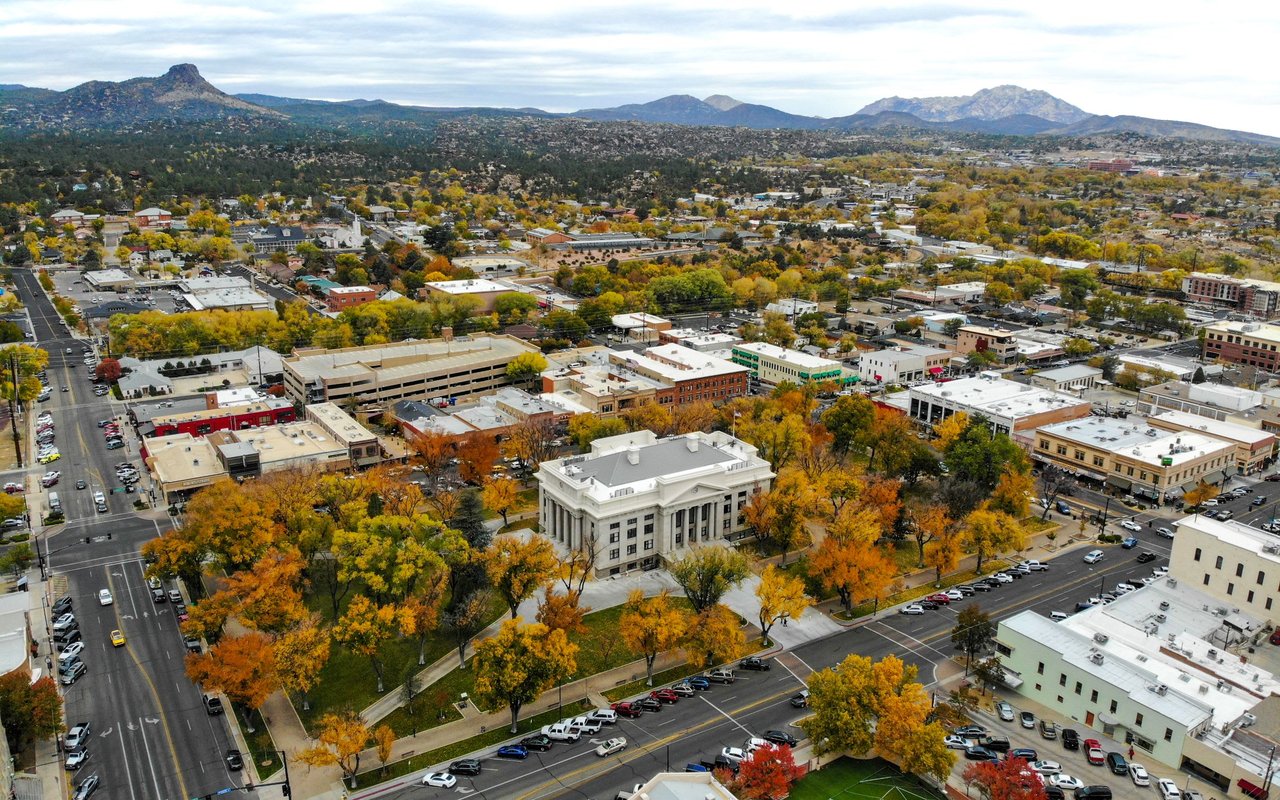
Prescott is built around a historic core, with older neighborhoods close to downtown and newer subdivisions and planned communities on the outskirts. The city’s General Plan describes downtown and the Courthouse Plaza as the community’s focal point, with walkable streets, mixed residential and commercial uses, and a strong role in local arts, entertainment, restaurants, bookstores, and museums.
That city framework matters when you start house hunting. If you want to be close to the cultural center of Prescott, the historic core stands out. If you want newer construction, planned amenities, and easier access to recreation-focused settings, the outer neighborhoods may feel like a better match.
Why Buyers Love Historic Prescott
Historic Prescott has a sense of place that is hard to duplicate. The city has 13 local and 13 national historic register districts and more than 800 National Register properties, which gives many older neighborhoods a distinct architectural identity.
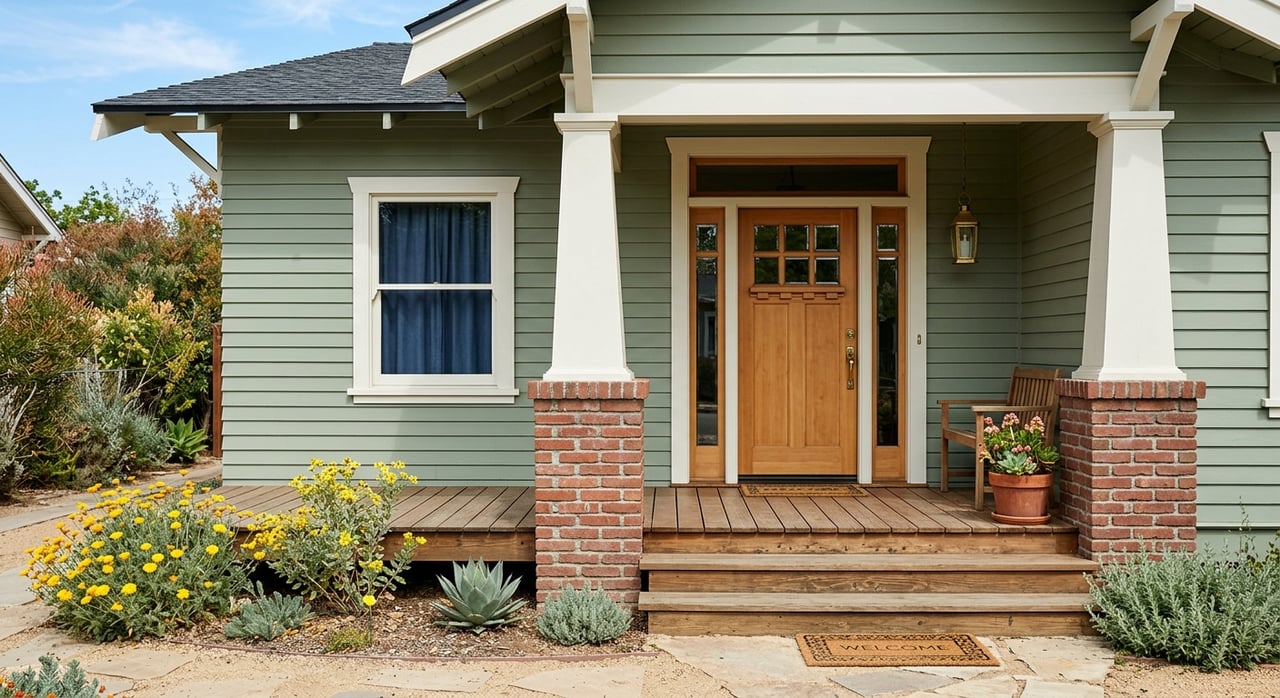
You will see styles tied to different eras of the city’s growth. According to the city’s historic preservation materials, earlier homes include Victorian-era influences such as Queen Anne, Gothic Revival, Eastlake, Stick, Shingle, and Italianate. By the early 1900s, Craftsman, Bungalow, and Revival styles became more common.
Walkability Near Downtown
If daily convenience matters to you, the neighborhoods near the historic core offer a strong case. The East Prescott historic district master plan notes that homes and institutions in that area are within walking distance of commercial and business areas, the library, churches, government offices, schools, and Courthouse Square.
That means your lifestyle may include more walking and easier access to downtown events, local dining, and community gathering spaces. For many buyers, that kind of connection is the main appeal of living near the center of Prescott.
Character Comes With Trade-Offs
Older homes often offer details that newer homes do not, but they can also require a different mindset. In local historic districts, exterior work must be reviewed by the Preservation Commission, and the city provides preservation guidelines and technical assistance.
In practical terms, that can mean a more careful and sometimes slower process when you want to update or remodel. You may also need to plan for preservation-sensitive maintenance instead of quick cosmetic changes. If you love historic character, that may feel worthwhile. If you want flexibility and lower upkeep, it may feel limiting.
Parking and Development Pressure
There are also practical issues to keep in mind near downtown-adjacent historic areas. The East Prescott planning materials note that nearby commercial corridors can create parking spillover and development pressure on residential streets.
That does not make these neighborhoods less appealing, but it does mean you should evaluate day-to-day details carefully. Street activity, parking patterns, and nearby commercial uses can shape your experience just as much as the house itself.
Why Buyers Choose Newer Communities
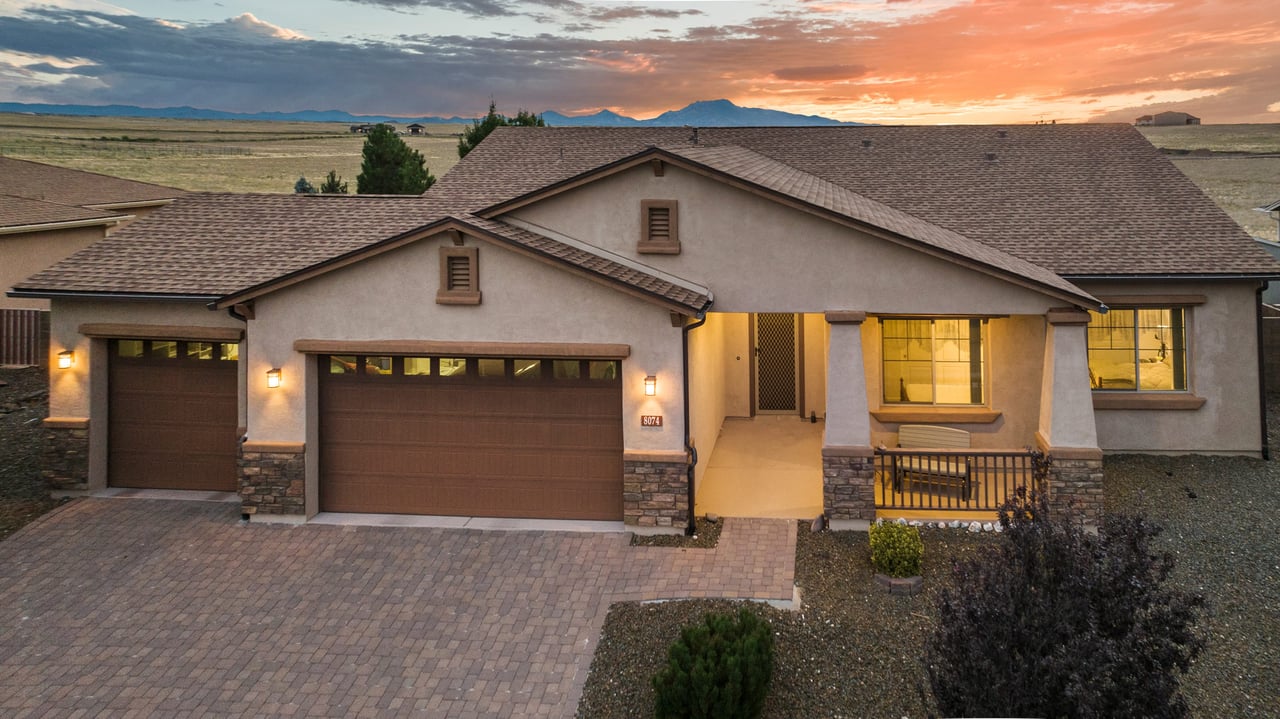
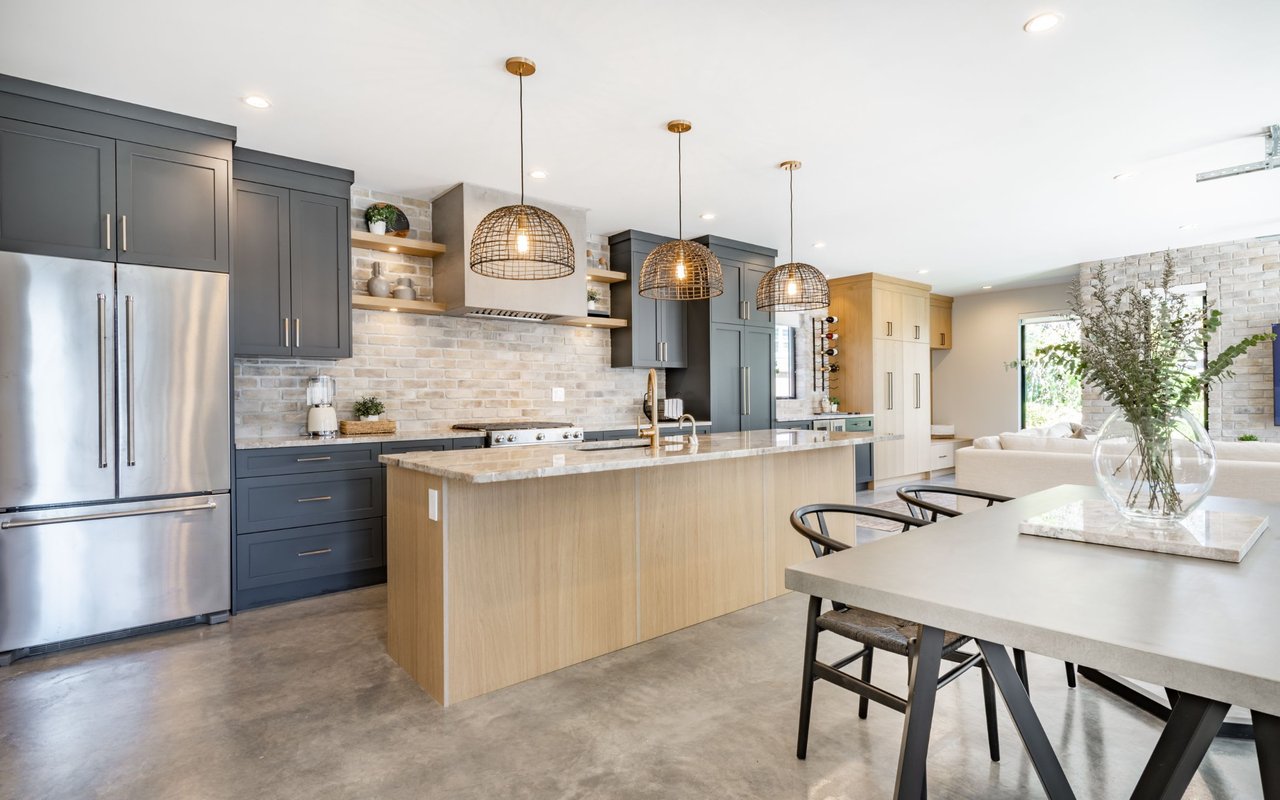
If your priority is newer construction, planned amenities, and a more structured neighborhood setting, Prescott’s newer communities may feel like a better fit. These areas tend to offer more contemporary floor plans, newer building standards, and stronger ties to outdoor recreation.
For many buyers, especially relocators or those looking for a lower-maintenance setup, that combination is compelling. The appeal often comes down to convenience, views, and access to amenities.
Prescott Lakes at a Glance
Prescott Lakes is one of the clearest examples of a newer master-planned option in Prescott. The HOA describes it as a 1,500-home community about 10 minutes from downtown, with 17 neighborhoods and a mix of condominiums, townhomes, semi-custom homes, and custom homes.
The same source notes post-2000 energy-efficiency standards, along with both gated and non-gated enclaves. Prescott Lakes also includes ownership ties to The Club at Prescott Lakes, with golf, indoor and outdoor pools, tennis, pickleball, a clubhouse and grille, and eight miles of trails that connect to Prescott’s larger trail system.
Hassayampa’s Private, View-Oriented Setting
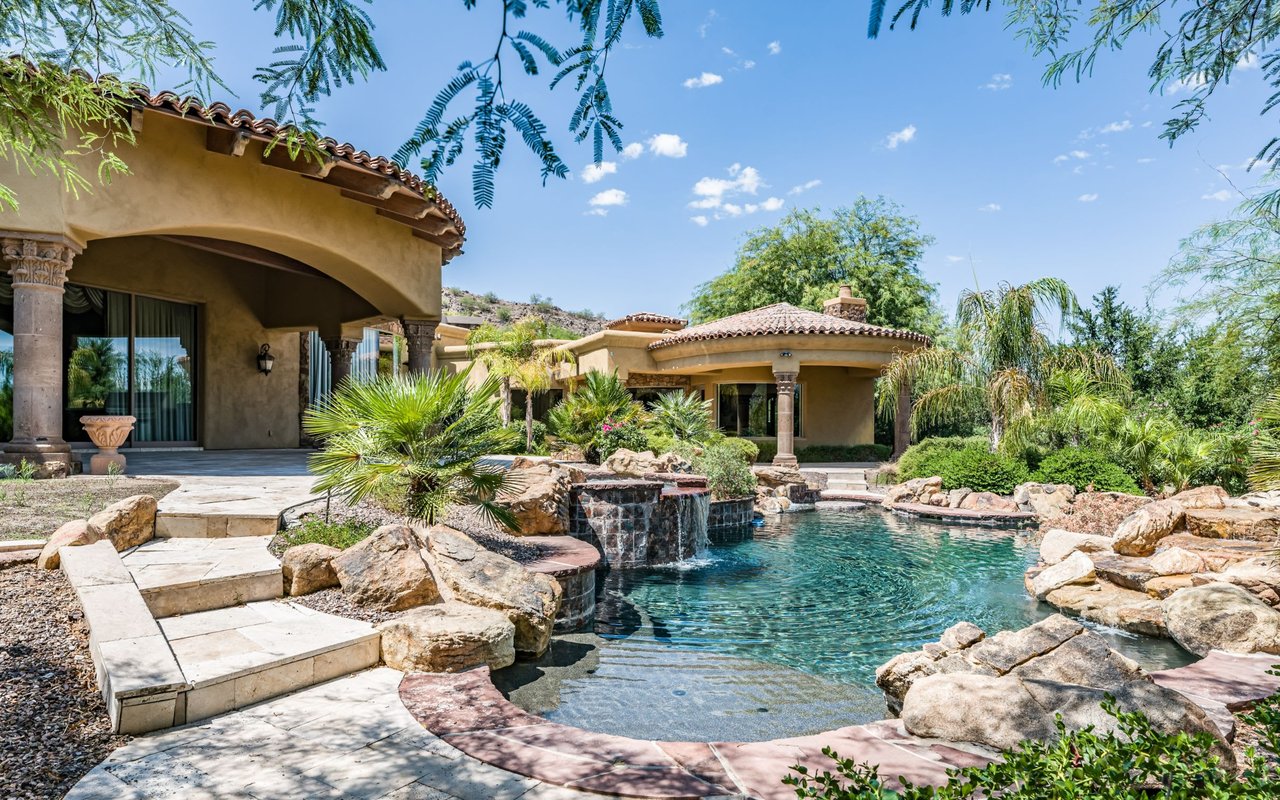
Hassayampa offers a different kind of newer-edge lifestyle. Its HOA describes it as a gated community with condominiums, townhomes, custom luxury homes, and homesites, all set among pines, boulder outcroppings, and mountain views, while still being minutes from downtown Prescott.
If you want privacy, a more tucked-away feel, and strong visual appeal, this type of setting may be worth a closer look. It can be especially attractive if you want custom-home character without living in the older historic core.
The Dells and Future Connections
The Dells is presented by its developer as a 1,100-acre master-planned community centered on residential living along with business and shopping. Its materials highlight custom homesites, gated neighborhoods, private streets, and expansive views.
The trail planning is also notable. Community materials say future walking and biking trails will connect with the city’s Peavine Trail and Prescott Valley’s Iron King Trail, which adds to the outdoor-lifestyle appeal.
Outdoor Access Is a Major Factor
No matter which side of Prescott you prefer, outdoor access is part of the city’s appeal. According to the city, Prescott manages 146 miles of trails across 5,500 acres of natural parkland, with more than 1 million visits each year.
Watson Lake is about four miles from downtown and offers boating, kayaking, rock climbing, camping, and nearby access to the Peavine and Iron King trails. Willow Lake offers a multi-use trail around the lake along with boating, kayaking, paddleboarding, and other day-use recreation.
For many buyers, this becomes a deciding factor. Downtown living often wins on walkability and cultural access, while newer fringe communities often win on immediate access to trails, lakes, golf, and view-oriented settings.
Historic Core vs Newer Communities
If you are comparing these lifestyles, this quick breakdown can help:
| What You Value |
Historic Downtown and Nearby Neighborhoods |
Newer Fringe Communities |
| Everyday feel |
Walkable, established, character-rich |
Planned, structured, recreation-focused |
| Home style |
Historic architecture and older homes |
Newer construction and more modern layouts |
| Access |
Closer to downtown culture and services |
Stronger access to amenities, trails, golf, and views |
| Ownership experience |
More upkeep and possible preservation review |
HOA rules and dues may apply |
| Best fit for |
Buyers who value charm and location |
Buyers who want convenience and newer features |
Questions to Ask Before You Decide
Before you choose one lifestyle over the other, it helps to ask yourself a few honest questions:
- Do you want to walk to downtown destinations more often?
- Are you excited by historic architecture, or do you prefer newer layouts and finishes?
- How comfortable are you with older-home maintenance?
- Would HOA structure, rules, and dues feel helpful or restrictive?
- Do you picture yourself using trails, club amenities, lakes, or golf regularly?
- Is privacy and views more important to you than being near Prescott’s historic center?
Your answers usually point you in the right direction quickly.
Which Prescott Lifestyle Fits You Best?
If you are drawn to architectural character, pedestrian access, and the energy of downtown events, the historic core may be the better fit. You may be happier trading newer-home convenience for charm, location, and a stronger connection to Prescott’s historic identity.
If you want newer construction, planned amenities, HOA structure, and a setting that leans into views and recreation, the newer communities on Prescott’s edges may make more sense. In many cases, these neighborhoods appeal to buyers who want an easier lock-and-leave lifestyle or a home built with more recent standards.
The good news is that Prescott gives you both options in a relatively compact market. Whether you are relocating, moving up, downsizing, or simply refining your search, the key is matching the home to the way you actually want to live.
If you want help comparing historic neighborhoods, newer communities, or both, connect with Team Schneider. You will get local insight, clear guidance, and a practical strategy for finding the right fit in Prescott.
FAQs
What is the difference between historic downtown Prescott and newer Prescott communities?
- Historic downtown Prescott and nearby older neighborhoods tend to offer walkability, architectural character, and close access to Courthouse Plaza, while newer communities often offer newer homes, planned amenities, HOA structure, and stronger access to trails, views, or golf.
Are there historic districts in Prescott, Arizona?
- Yes. Prescott has 13 local and 13 national historic register districts, along with more than 800 National Register properties, according to the city’s historic preservation materials.
Do homes in Prescott historic districts have remodeling rules?
- Yes. In local historic districts, exterior work must be reviewed by the Preservation Commission, so buyers should expect a more preservation-focused process for some updates.
What are some newer master-planned communities in Prescott?
- Sources reviewed identify Prescott Lakes, Hassayampa, and The Dells as notable newer or fringe community options, each with its own mix of housing types, amenities, views, or gated features.
Does Prescott have good trail and lake access?
- Yes. The city manages 146 miles of trails across 5,500 acres of natural parkland, and nearby recreation includes Watson Lake and Willow Lake for activities like boating, kayaking, and trail use.
Are HOA communities common in newer Prescott neighborhoods?
- Some newer Prescott communities, including Prescott Lakes and Hassayampa, are HOA communities, so it is important to review governing documents and dues before you buy.