Thinking about trading city congestion for open land, big skies, and a more rural pace? Moving to Chino Valley can be a great fit, but it helps to know what daily life actually looks like before you pack. From climate and commuting to wells, septic, and acreage rules, this guide walks you through the practical details that matter most so you can plan your move with confidence. Let’s dive in.
Why Chino Valley Draws Relocating Buyers
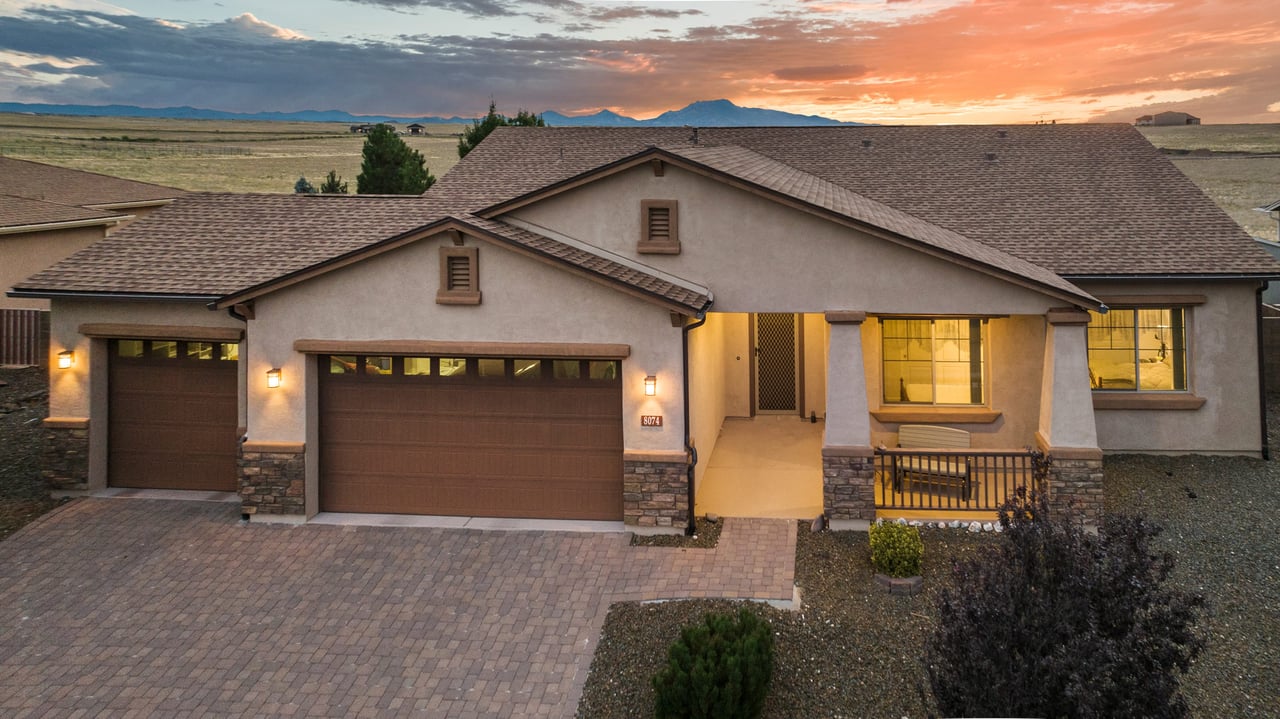
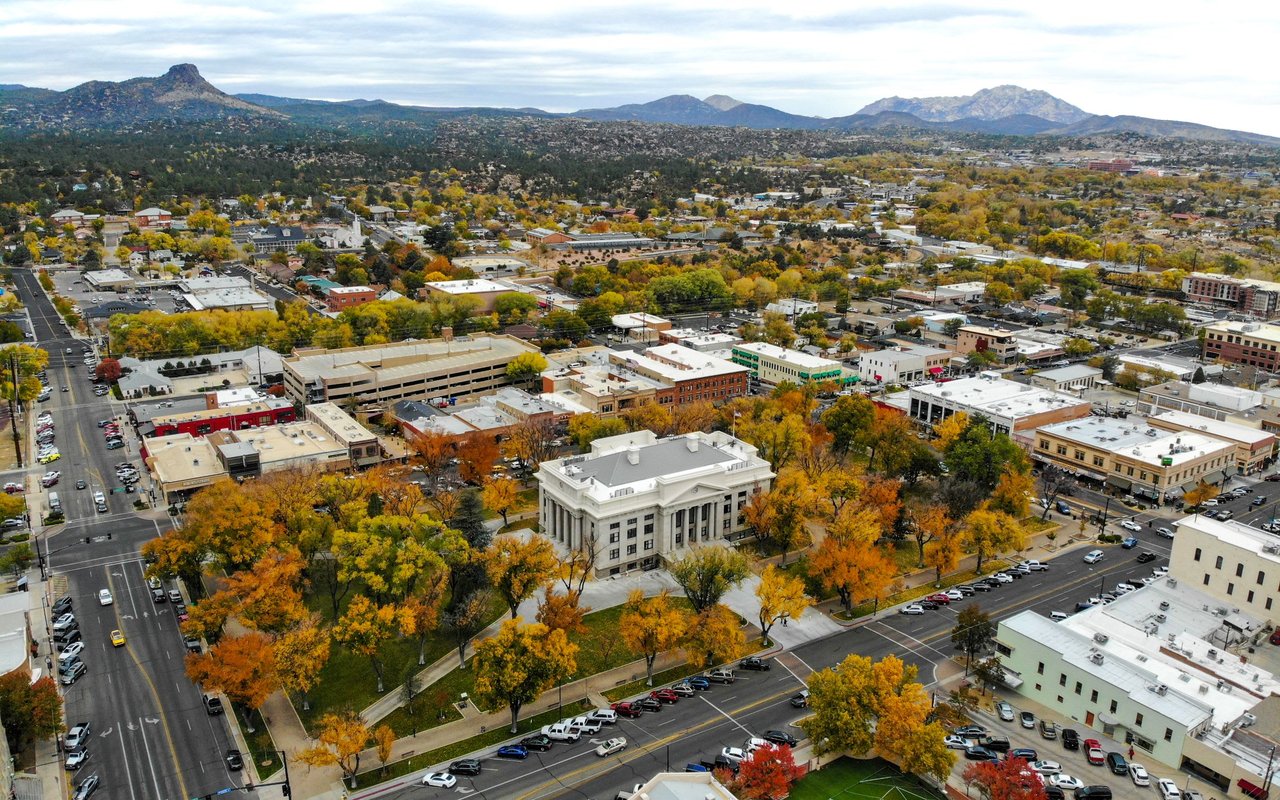
Chino Valley is a small high-desert town in north-central Arizona with about 10,817 residents and an elevation of 4,656 feet. The setting includes rolling grasslands, four seasons, and a more open, rural feel than many larger Arizona communities. If you want more space and a slower rhythm, that local character is often a big part of the appeal.
For many buyers, Chino Valley stands out because it offers a different lifestyle without feeling disconnected from the greater Prescott area. Town information describes it as a bedroom community for Prescott and Prescott Valley, which means many residents live in Chino Valley and travel outside town for work, shopping, and services. That balance can work well if you want room to spread out but still need access to nearby hubs.
What Daily Life Feels Like
If you are moving from a larger metro area, Chino Valley will likely feel more car-dependent and more rural. The town notes that many residential roads feed into a very busy highway, and SR 89 is the main corridor connecting the area. In practical terms, you should expect to drive regularly for commuting and errands.
That said, Chino Valley does offer useful community services close to home. Town amenities include a public library, recreation programs, an aquatic center, police services, a senior center, and a dog park. These resources can make the transition easier while helping you settle into the community.
Chino Valley Weather and Seasons
One of the biggest surprises for some relocators is that Chino Valley is not the same as low-desert Arizona. Regional NOAA climate normals for nearby Prescott show an annual mean temperature of 55.4 degrees, annual precipitation of 16.46 inches, and annual snowfall of 10.2 inches. That points to four distinct seasons with warm summers, cool winters, and modest snowfall.
Summer days are warm, with July's mean daily high at 89.6 degrees, while December's mean daily high is 51.9 degrees. You are not typically dealing with extreme desert heat year-round, but you should still prepare for dry conditions, seasonal temperature swings, and winter cold. This can be a welcome change for buyers looking for a milder high-desert climate.
Rainfall also has a seasonal pattern. NOAA data shows that July and August are among the wettest months, so summer monsoon storms are part of life here. If you are house hunting during a dry stretch, it is smart to remember that drainage, road conditions, and outdoor spaces may look different during the monsoon season.
Land, Acreage, and Property Types
Chino Valley often attracts buyers who want more land than they can easily find in denser neighborhoods. Town zoning records show a range of districts, including AR-36, AR-5, AR-4, SR-2.5, SR-2, SR-1.6, and SR-1. That variety supports both larger agricultural-residential parcels and smaller residential lot patterns.
This matters because not every property offers the same use options. Two homes may both have a Chino Valley address, but one could be set up for a more rural lifestyle while another may function more like a typical residential homesite. If acreage is a priority, you will want to compare parcel size, zoning, access, and utility setup together rather than focusing on square footage alone.
For buyers considering land or custom home opportunities, this zoning range can create more choices. It can also create more homework. A property that looks ideal online may have development or use considerations that only become clear once you review the parcel specifics.
Horses, Livestock, and Rural Use
A common relocation question is whether horses or livestock are allowed. Chino Valley's zoning framework explicitly regulates the keeping of livestock, which tells you right away that animal use is part of the local land-use conversation. That is a good sign for buyers seeking a rural property, but it is not the same as automatic approval on every parcel.
Before you buy, confirm the exact zoning, setbacks, and any HOA rules that apply to the property. You do not want to assume a parcel is animal-ready just because it has acreage. The right due diligence upfront can save you from buying a property that does not match your plans.
Yavapai College's Chino Valley center also reflects the area's rural orientation. Programs there include animal care and management, canine care and handling, therapy and service dog team skills, equine practitioner studies, horticulture, and electrical utility training. While that does not determine property use, it adds helpful context about the community's practical, land-oriented character.
Utilities Are Parcel-Specific
One of the most important things to understand before moving to Chino Valley is that utility service is not one-size-fits-all. According to town utility information, some developments are served by Town of Chino Valley water and sewer, while others may use City of Prescott water, septic, or a combination of town sewer and septic. In short, the utility setup depends on the parcel.
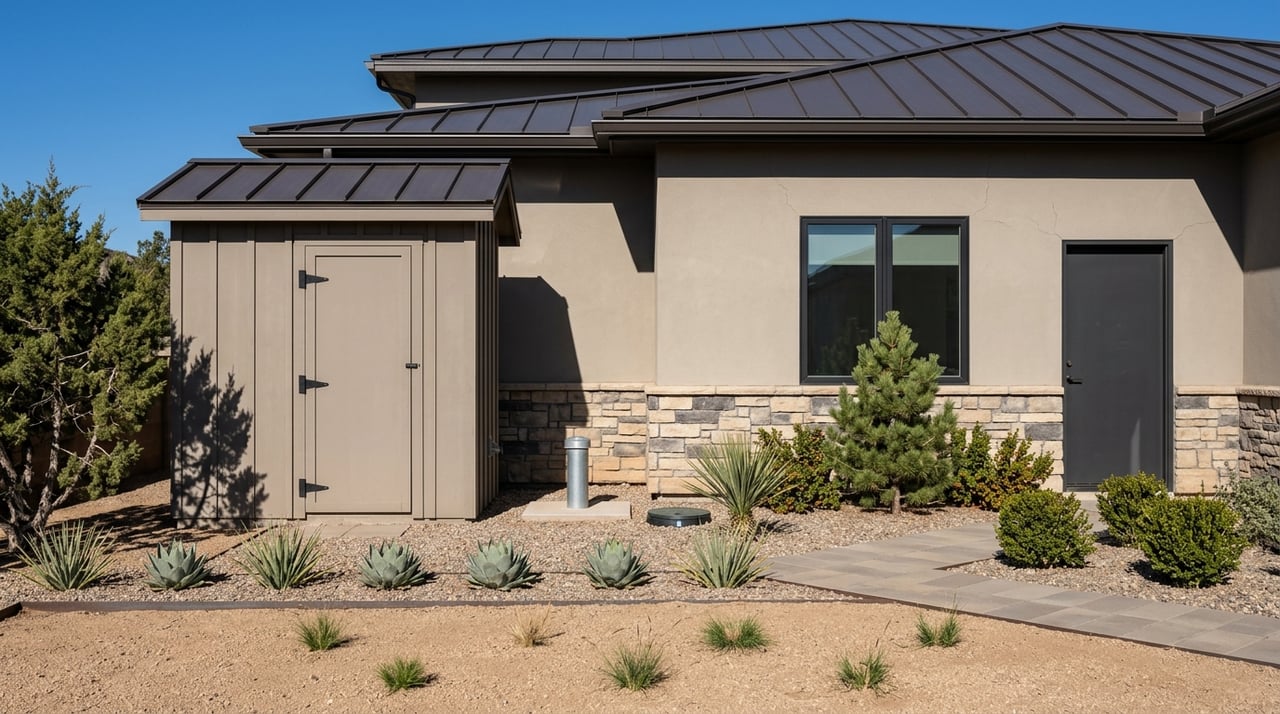
This is especially important if you are relocating from an area where nearly every home is on the same type of public service. In Chino Valley, one property may have straightforward municipal utilities, while another may involve a private well, septic system, or a mixed setup. That can affect maintenance responsibilities, inspection needs, and your comfort level as an owner.
If you are comparing homes, ask early about water source, sewer connection, septic status, and any documentation available for those systems. These are not minor details in a rural market. They are central parts of evaluating the property.
Water Planning Matters in Chino Valley
Chino Valley is part of the Prescott Active Management Area, which matters for long-term water planning and for rural-property due diligence. Town background information notes that future development in the Prescott AMA is required to use renewable resources rather than mined groundwater. The town's Water Resources Department also states that it focuses on meeting current and future water demand through conservation, drought planning, aquifer recharge, augmentation, and safe-yield goals.
For buyers, the takeaway is simple. Water is a real planning issue here, and that makes it worth asking informed questions when you look at homes or land. Understanding how a property is served today, and what that means for future use, is part of making a smart move.
Wells and Septic: What Buyers Should Know
If the property you like is not on standard municipal utilities, you may need to evaluate a well, a septic system, or both. Arizona Department of Water Resources rules state that all groundwater wells in Arizona are regulated, and a Notice of Intent is required before drilling, deepening, or modifying a well. For domestic use on parcels of 5 acres or fewer, county or local health review is required first.
On the septic side, Yavapai County requires a permit to construct a septic system and may require a perc test for a new system. The county also notes that septic systems are onsite sewage treatment and disposal facilities, that care is the owner's responsibility, and that malfunctioning or inadequate systems can affect property value and create liability. Those are important points for both buyers and sellers.
If you are moving from a fully urban setting, this may feel unfamiliar at first. The good news is that these systems are manageable when you understand what you are buying. A careful review of permits, inspections, and system condition is a smart part of your relocation plan.
Schools and Learning Resources
For households planning around local school options, Chino Valley Unified School District currently operates four school facilities in town. These include Territorial Early Childhood Center, Del Rio Elementary School, Heritage Middle School, and Chino Valley High School. Territorial Early Childhood Center serves preschool through 2nd grade, while the remaining schools cover the later K-12 stages.
Beyond the district schools, local learning resources can also help new residents settle in. The town library provides access to the Yavapai Library Network, online classes, digital materials, and community programming. Yavapai College's Chino Valley center is another practical local resource for continuing education and skill-based programs.
A Smart Relocation Checklist
Before you buy in Chino Valley, it helps to focus on the questions that matter most for this market:
- What is the exact zoning for the parcel?
- How much land are you actually getting, and how usable is it?
- Are horses or livestock allowed under current zoning and any HOA rules?
- Is the home on town water, City of Prescott water, a private well, sewer, septic, or a combination?
- If there is a septic system, are permits and inspection records available?
- If there is a well, what documentation is available on the system?
- What will your commute on SR 89 look like for work, school, or regular errands?
- How do seasonal weather patterns, including monsoon rain and winter cold, affect the property?
A thoughtful relocation is usually less about finding the most beautiful listing and more about finding the property that fits your day-to-day life. In Chino Valley, that often means balancing lifestyle goals with practical details like utilities, access, and land use.
Final Thoughts on Moving to Chino Valley
Chino Valley can be an excellent fit if you want space, a high-desert setting, and access to the greater Prescott area. It offers a small-town environment with four seasons, a rural land-use pattern, and a range of homesites from neighborhood lots to larger acreage. At the same time, it rewards buyers who take the time to understand zoning, commuting, water, wells, and septic before making an offer.
If you are planning a move, local knowledge can make the process much smoother. The right guidance helps you sort through parcel differences, compare neighborhoods and lot types, and focus on properties that truly fit your goals. For personalized help exploring homes, land, and relocation options in Chino Valley and the surrounding Prescott area, contact Team Schneider.
FAQs
What is daily life like when moving to Chino Valley?
- Chino Valley is generally a car-based community, and many residents travel to Prescott or Prescott Valley for work, shopping, and other services using the SR 89 corridor.
What is the weather like in Chino Valley, Arizona?
- Chino Valley has a high-desert climate with four seasons, warm summers, cool winters, about 16.46 inches of annual precipitation, and modest annual snowfall based on regional NOAA normals.
Can you buy acreage in Chino Valley?
- Yes, town zoning records show parcel types ranging from larger agricultural-residential districts such as AR-36 to smaller residential districts, so acreage options do exist.
Are horses or livestock allowed on Chino Valley properties?
- Some properties may allow horses or livestock, but the town regulates livestock uses, so you should verify parcel-specific zoning, setbacks, and any HOA covenants before buying.
Do homes in Chino Valley have public utilities?
- Some do, but utility service varies by parcel and may include Town of Chino Valley water and sewer, City of Prescott water, septic systems, or mixed utility setups.
Will you need a well or septic system in Chino Valley?
- Possibly, because some properties rely on private wells, septic systems, or both rather than standard municipal utility service.
What should buyers know about septic systems in Yavapai County?
- Yavapai County requires a permit for septic system construction, may require a perc test for a new system, and states that septic care is the property owner's responsibility.
What schools are located in Chino Valley?
- Chino Valley Unified School District operates Territorial Early Childhood Center, Del Rio Elementary School, Heritage Middle School, and Chino Valley High School in town.