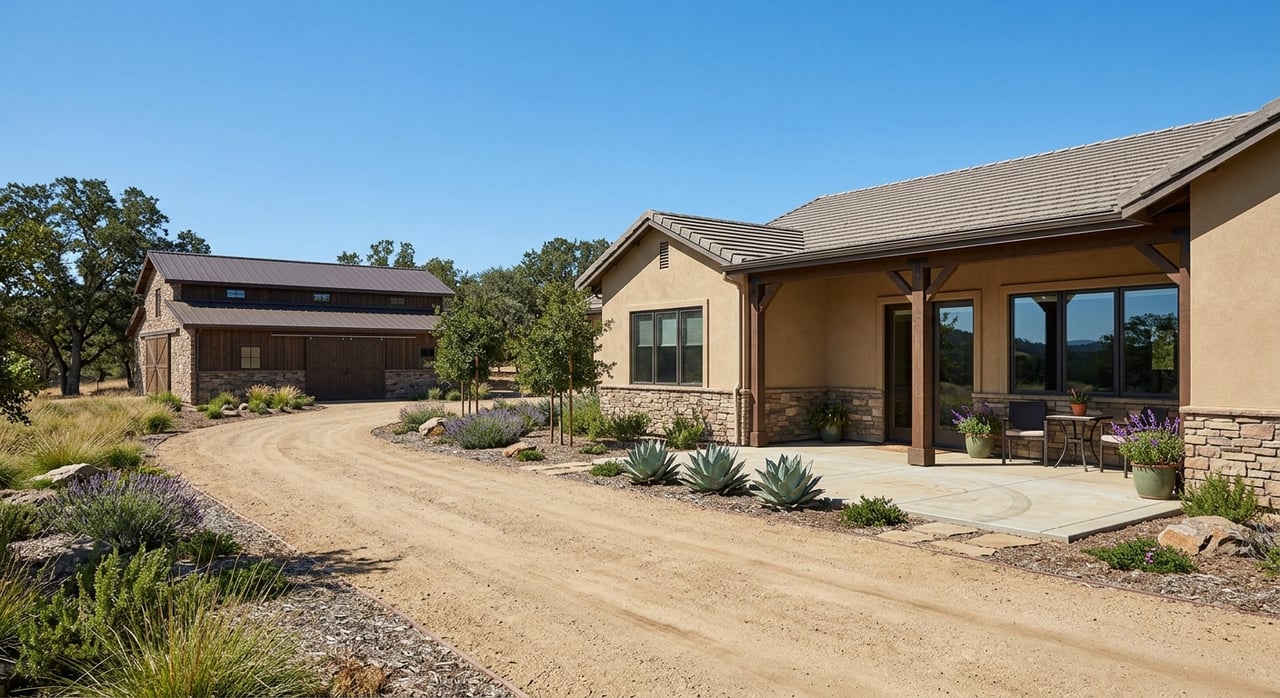
Dreaming of a little more elbow room, wider views, and streets that feel quieter than the typical subdivision? Dewey offers a country-style setting that draws buyers who want space without feeling completely disconnected from the Prescott area. If you are considering a move to 86327, this guide will help you understand what daily life, property types, and practical ownership details can really look like. Let’s dive in.
Why Dewey Feels Like Country Living
Dewey-Humboldt is a small high-desert community in Northern Arizona, about 12 miles east of Prescott and about 85 miles north of Phoenix. The town sits at roughly 4,800 feet and describes itself as having a mild four-season climate, with occasional winter snow.
That setting shapes the lifestyle in a big way. Dewey-Humboldt has roots in agriculture, ranching, and mining, and that history still shows up in the area’s open feel, lower-density layout, and rural character.
The town’s planning efforts also reinforce that identity. Open space, trails, water resources, and scenic vistas remain central priorities, which helps explain why so many buyers are drawn to the sense of room and long views here.
Space Is a Major Part of the Appeal
One of the biggest reasons people look at Dewey is simple: you can often find more land and more separation between homes than you would in a more suburban setting. According to the town, residential lot sizes are typically greater than one-half acre, and many areas are 1.6 acres or more.
That larger-lot pattern is not accidental. Yavapai County’s Rural Residential zoning is intended for non-urban areas and cannot be less than two acres in density, which supports the area’s roomy, spread-out feel.
For some buyers, that means space for a workshop, RV parking, extra garage space, or simply a little more privacy. For others, it means room to enjoy the landscape and slower pace that often comes with rural living.
What “more space” can mean in practice
In Dewey, larger parcels can support a range of country-style goals, including:
- More distance between neighboring homes
- Extra outdoor space for hobbies and storage
- Room for equestrian or small animal uses, subject to zoning rules
- Better access to open views and a less built-up setting
That said, not every parcel works the same way. Land use, access, utilities, and parcel history matter more here than they often do in a standard subdivision.
Views and Open Skies Matter Here
If you are drawn to scenic living, Dewey stands out for its open, high-desert landscape. The town’s adopted planning language specifically aims to retain spacious scenic views and protect scenic vistas.
That matters because the appeal is not only about acreage. It is also about how the land feels around you, with wider sightlines, more natural openness, and a lower-density pattern that can make the area feel calm and uncluttered.
For many buyers, that combination is the real lifestyle upgrade. You are not just buying a house. You are buying breathing room.
Quiet Streets Come With a Rural Tradeoff
Quiet streets are part of the charm in many parts of Dewey, but they often come with a more rural road system than buyers from city or suburban areas may expect. Dewey-Humboldt maintains about 50 miles of roads in the incorporated area, with roughly 38 miles paved and 12 miles improved native surface.
That means some roads may feel more rustic than polished. The town even has separate standards for rural and unpaved roads, which reflects the reality that country living here does not always look like curb-and-gutter subdivision development.
Why road details matter before you buy
Before you make an offer, it is smart to confirm:
- Whether the road is paved or improved native surface
- Whether the road is town-owned or maintained another way
- How access works during day-to-day driving and seasonal weather
- Whether the route fits your comfort level for commuting or errands
These checks can make a big difference in your long-term satisfaction with a property. A beautiful parcel can feel very different once you understand the road approach and maintenance responsibility.
Daily Life Is Connected by SR 69
Dewey-Humboldt is not isolated, but it is car-dependent. State Route 69 is the main transportation spine for the area and a defining part of daily life for commuting, shopping, and accessing services.
For many buyers, that is part of the balance that makes Dewey work. You can enjoy a more rural setting while still staying connected to Prescott and the broader region.
The tradeoff is that errands are generally planned around driving, not walking from place to place. If you want country living with practical regional access, that highway connection is an important piece of the picture.
Utilities: Rural, But Not Necessarily Off-Grid
A common mistake buyers make is assuming all country properties work the same way. In Dewey, utilities can vary from parcel to parcel, which is why early due diligence matters.
The town’s code says that if a public sanitary sewer is reasonably accessible, a subdivision must connect to it. If sewer is not available, individual onsite wastewater systems may be allowed with county certification.
Water works in a similar way. Where a public or private water system is reasonably accessible, it should be used, and where it is not available, a private or community water system may be established subject to state review.
Utility questions to ask early
If you are considering a home or vacant parcel, try to confirm these items as soon as possible:
- Is the property served by sewer or septic?
- If septic, is there permit history available?
- Is water provided by a system, or does the property rely on a well?
- If there is a well, what is its status?
- Are there any county or state approvals that affect future plans?
In rural property purchases, these are not minor details. They can shape cost, use, and future flexibility.
Land, Splits, and Parcel History
If you are shopping for vacant land or a larger parcel, Dewey calls for a little more homework than a standard home purchase. The town has a land-split process, and its guidance notes that the process starts with a survey showing existing and proposed lot lines.
That is a reminder that parcel history matters. Legal access, past splits, subdivision status, and boundary documentation can all affect what you are really buying.
This does not mean land purchases are risky by default. It simply means they deserve careful review before you fall in love with the view.
Country Lifestyle With Animals or Hobby Uses
Many buyers exploring Dewey want room for horses, small animals, or a hobby-farm feel. That lifestyle can be part of the local character, but county rules still apply.
Yavapai County’s animal regulations allow horses at a rate of two per acre. The county also allows certain other animals, including miniature horses, llamas, sheep, and goats at five per acre, along with chickens and similar small animals at eight per acre.
That creates opportunity for a country-style setup, but it does not automatically make a property an agricultural operation. The county is clear that hobby farms, horse properties, cabin sites, and similar residential properties with only incidental livestock production do not qualify for agricultural tax exemption.
What that means for buyers
A property may support the lifestyle you want without qualifying for agricultural tax treatment. In general, the county states that agricultural exemption requires at least five contiguous commercial acres and a primary purpose of agricultural production with profit potential.
So if your goal is personal enjoyment rather than commercial production, focus on whether the property fits your use, not on assuming a tax classification that may not apply.
Wildfire Readiness Is Part of Rural Ownership
In a brush-adjacent setting, wildfire preparedness is a normal part of ownership. Dewey-Humboldt maintains a Firewise program that emphasizes defensible space, evacuation planning, and readiness.
This is not meant to be alarming. It is simply part of owning in a rural environment where open land and natural vegetation are part of the appeal.
For many buyers, it helps to think of this the same way you would think about winter prep in colder climates. It is part of responsible ownership and a smart topic to discuss early when evaluating a property.
A Simple Pre-Offer Checklist
If you are serious about buying in Dewey, a few early checks can save time and stress. Based on local town and county resources, here are some of the most practical items to verify before moving forward:
- Road ownership and maintenance responsibility
- Legal land-split or subdivision history
- Septic permit status and any perc-test history
- Water source or well status
- Access details that affect daily use
These are especially important when you are looking at larger lots, vacant land, or homes outside a more typical subdivision layout.
Why Buyers Work With Local Guidance
Country properties can offer a lifestyle that is hard to match. You may gain more land, more sky, and more breathing room, but you also need a clear understanding of access, utilities, and property-specific details.
That is where local market knowledge matters. An experienced local team can help you compare properties, ask better questions, and spot issues early so you can move forward with confidence.
If Dewey’s mix of space, views, and quiet streets sounds like the right fit, Team Schneider can help you explore homes, land, and lifestyle options across the Prescott area with practical local insight.
FAQs
What is country living like in Dewey, AZ?
- Country living in Dewey usually means larger lots, open views, quieter roads, and a more rural high-desert setting with convenient access to Prescott by way of SR 69.
Are lot sizes in Dewey-Humboldt usually larger than suburban lots?
- Yes. The town says residential lot sizes are typically greater than one-half acre, and many areas are 1.6 acres or more.
Do Dewey properties always have paved road access?
- No. Dewey-Humboldt maintains both paved roads and improved native surface roads, so buyers should verify the type of access and who maintains it.
Can you keep horses or small animals on property in Dewey?
- In some cases, yes, but the specific use depends on county rules and the property itself. Yavapai County has animal-per-acre standards that buyers should review carefully.
Do country properties in Dewey use septic or wells?
- Some do. Utility setup can vary by property, and buyers should confirm sewer or septic service, water source, well status, and any related permits early in the process.
Should you check land-split history before buying land in Dewey?
- Yes. For vacant land and larger parcels, legal access, survey details, and land-split or subdivision history are important parts of due diligence.