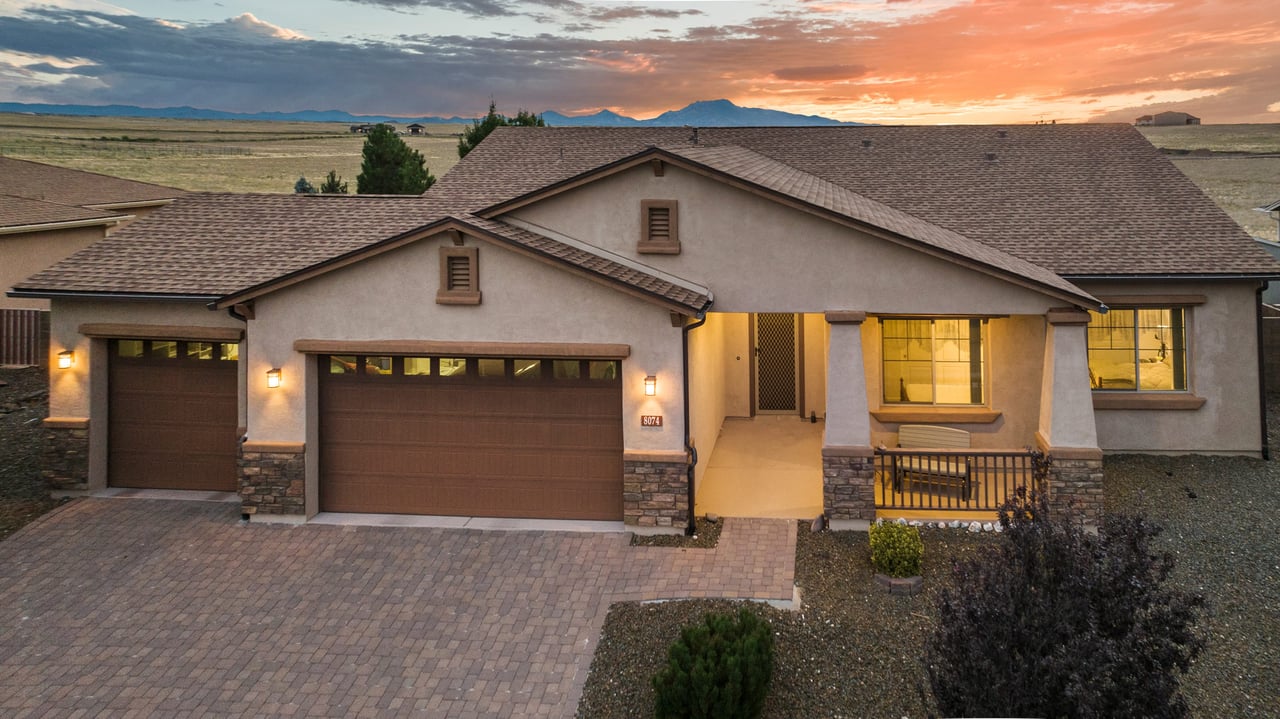
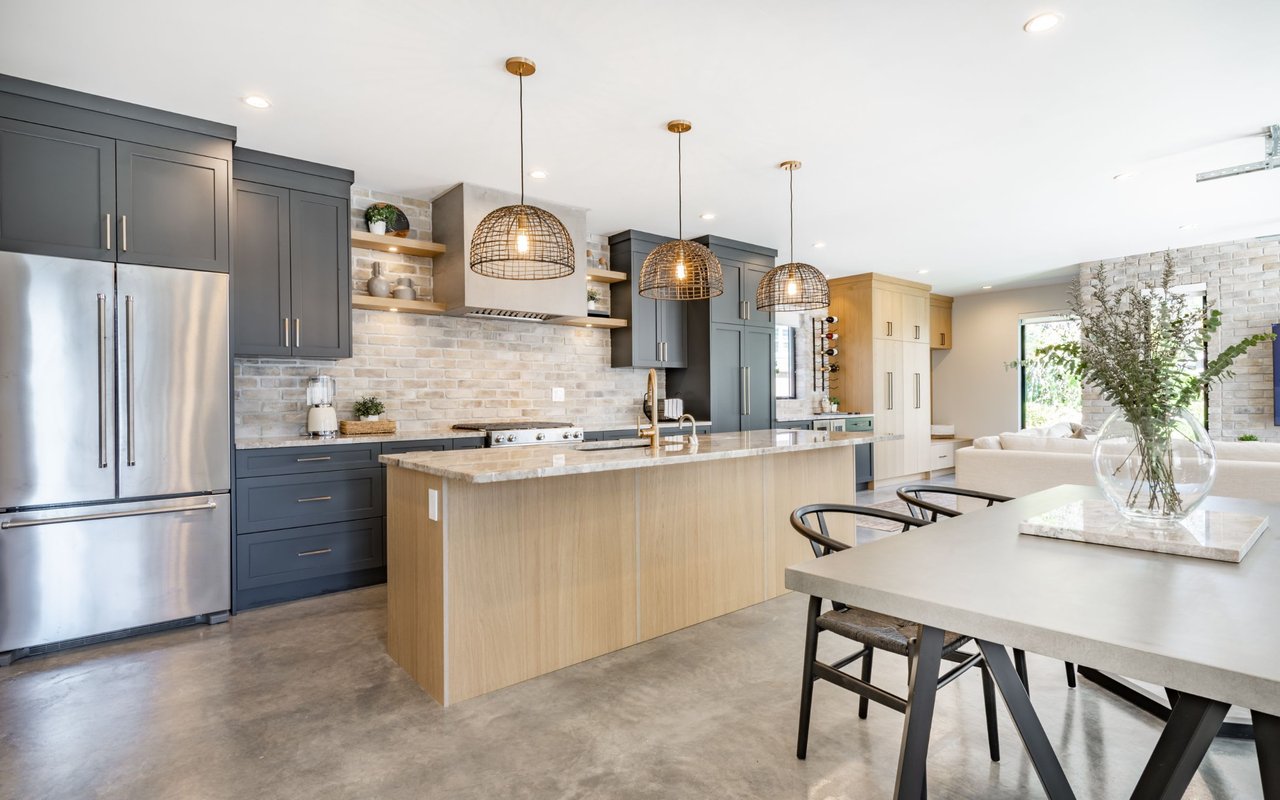
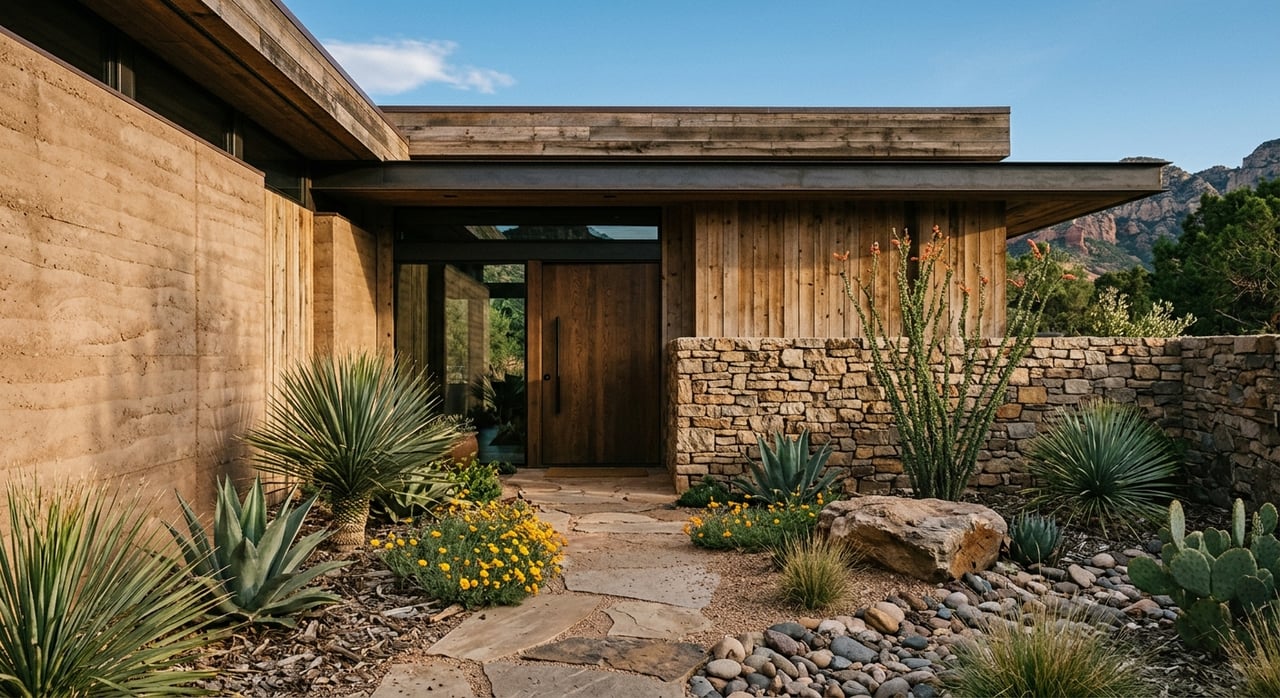
Thinking about building a custom home in The Ranch at Prescott? It can be an exciting way to create a home that fits your lifestyle and takes advantage of Prescott’s hillside setting, but it also comes with rules, reviews, and site challenges that are easy to underestimate. If you are weighing land, plans, and timing, this guide will help you understand what matters most before you move forward. Let’s dive in.
Why The Ranch at Prescott Stands Out
The Ranch at Prescott is a planned community about three miles east of downtown Prescott, set on hillsides along the Prescott National Forest. According to the Ranch at Prescott HOA, the community covers about 1,000 acres, includes roughly 950 home sites across eight units, and has more than 500 homes with additional homes still being built.
That matters if you are considering new construction. This is not a fully built-out subdivision where every decision has already been made for you. Instead, it remains an active custom-home environment where lot choice, design approach, and approval timing can shape your overall experience.
Start With the Lot
In The Ranch at Prescott, your lot is more than just the place where the house will sit. The community’s architectural design guidelines make it clear that each site has its own mix of slope, topography, drainage, vegetation, access, and view considerations.
That means a floor plan that works well on one parcel may not work well on another. The guidelines specifically emphasize that homes should respond to the lot’s natural character rather than try to force a standard design onto the land.
What to evaluate before you buy
Before you commit to a lot, it helps to look closely at:
- Slope and grade
- Driveway approach and access
- Drainage patterns
- Vegetation and disturbance limits
- Building envelope and setbacks
- Potential retaining wall needs
- How the home can sit naturally on the site
In a hillside community, easier lots are often the ones that need less earthwork and fewer structural adjustments. A lot that works with the terrain can simplify design, reduce friction in review, and make construction more straightforward.
Views are appealing, but not guaranteed
Many buyers are drawn to The Ranch at Prescott because of its elevated setting. However, the HOA guidelines state that there are no express or implied rights to a view, and future construction can obstruct an existing view.
That is important when you compare lots. A premium view may still be valuable to you today, but it should be treated as site-specific rather than permanent.
Hillside design affects cost
One of the biggest factors in a custom build here is how the house fits the slope. The HOA guidelines limit cut and fill, require buildings to follow the existing terrain, prohibit using crawl spaces to lift the home, and require basements to daylight at natural grade.
In practical terms, that means your architect and builder cannot treat the lot like a blank slate. The site itself will influence the floor plan, foundation approach, driveway layout, and grading budget.
Site work can change the budget quickly
The design rules also note that driveways are expected to follow existing contours, with a maximum driveway slope of 18 percent. If a lot needs major grading, large retaining walls, or complicated access solutions, your site-work costs may rise well before vertical construction begins.
That is why lot selection is often the biggest decision in the process. Two parcels in the same neighborhood can lead to very different construction paths.
HOA approval is central
If you are used to thinking about city permits first, The Ranch at Prescott adds another major layer. Under the community guidelines, you must obtain ARC approval before any clearing or excavation begins.
The Architectural Review Committee process includes a preliminary submittal, followed by a final submittal within 90 days. Once plans are approved, construction must begin within 90 days and be completed within 12 months after commencement.
Expect a structured process
The HOA’s guidelines outline several steps and checkpoints, including:
- Preliminary plan review
- Final plan submission
- Required inspections
- Final HOA approval before move-in
The guidelines also state that inspections are performed only on Wednesdays and that construction cannot continue until each inspection is approved. Owners may not move in until final HOA approval has been granted.
This structure is manageable, but it does require planning. A custom build here needs a schedule that accounts for both design and review timing, not just contractor availability.
Design freedom comes with guardrails
The Ranch at Prescott supports custom architecture, but not unlimited flexibility. The design guidelines emphasize site-responsive homes rather than production-style designs.
For example, box-like production-home designs are not permitted. The guidelines also say shed roofs are not allowed, two-story homes are not permitted, and the maximum building height is 30 feet, with some case-by-case variance consideration on steeper lots.
Materials and appearance matter
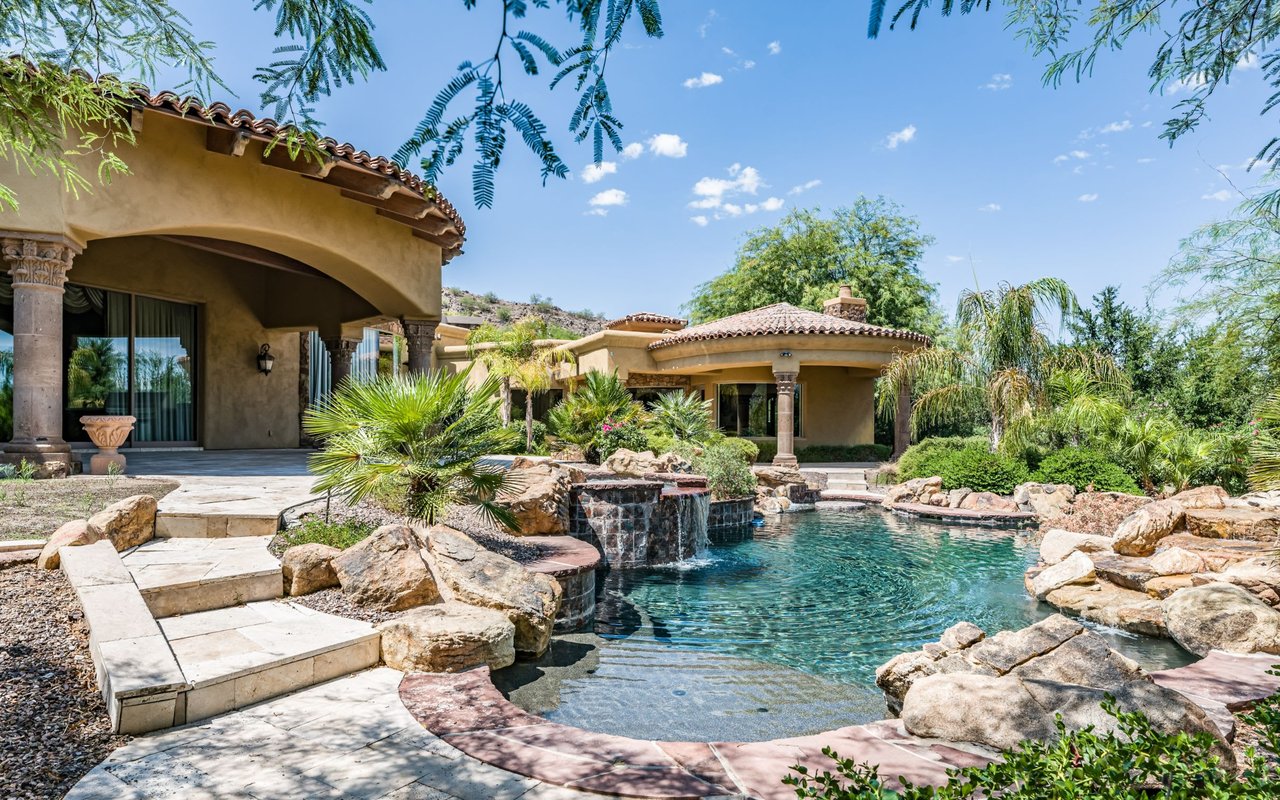
Exterior details are also closely managed. According to the guidelines, clay or concrete tile roofing is required, roofs should be earth-tone, reflective glass is not allowed, white window frames are not permitted, and windows must be recessed.
These standards can narrow your design choices, but they also help create a consistent visual character throughout the community. If you are planning a custom home here, your architect should understand those requirements from the beginning so you do not lose time redesigning later.
Size and garage rules matter too
The community guidelines also include practical standards that affect both lifestyle and planning. Homes are generally required to be at least 2,500 square feet, with unit-specific exceptions, and every effort must be made to minimize garage visibility.
The rules require a minimum two-car garage and prohibit detached garages and oversized RV garages. Those details can affect your floor plan, front elevation, and lot fit, especially on narrower or steeper parcels.
Landscaping is part of the build
In The Ranch at Prescott, landscaping is not a final cosmetic step. The guidelines state that design should preserve native vegetation, conserve water, restore disturbed areas, and include required planting before final inspection.
The HOA also requires disturbed soil, including slopes behind the curb, to be stabilized for erosion control. That makes your landscape plan an important part of the approval and completion process, not something to postpone indefinitely.
Fire awareness is part of hillside living
Because this community sits in a wildland-urban interface setting, fire planning matters. The HOA’s resources point residents to the Yavapai County emergency notification system for alerts related to wildfires, evacuations, floods, and other emergencies.
If you are building here, it makes sense to think early about defensible space, site access, and long-term maintenance. Those considerations are part of living well in this type of location.
City permits still apply
HOA approval is only part of the equation. The Ranch guidelines state that owners are also bound by City of Prescott building codes and other governing authority requirements.
The City of Prescott currently performs plan review under the 2024 International Residential Code, 2024 International Building Code, and city amendments. In other words, a custom home in The Ranch at Prescott requires both community approval and city permitting coordination.
Your plans need detail
The guidelines require a professional survey before construction starts, and the design package must include site, grading, floor, and landscape plans. This is one reason custom building here is different from choosing a pre-set plan in a more standardized subdivision.
You need a team that can prepare detailed hillside documents and coordinate through multiple review stages. Getting the ARC involved early can help you avoid choosing a lot or plan that creates preventable problems later.
Why the right local team matters
A custom build in this neighborhood is often smoother when your architect and builder understand Prescott hillside conditions, design review expectations, and inspection-driven timelines. Local experience can help reduce redesign risk and improve the fit between your lot, your plans, and the approval process.
Construction logistics matter too. The design rules limit working hours to 7:00 a.m. to 6:00 p.m. Monday through Saturday and 10:00 a.m. to 4:00 p.m. on Sunday, so this is not a build site with unrestricted scheduling.
That does not mean building here is difficult. It means success usually comes from realistic planning, strong coordination, and choosing professionals who know how to work within the neighborhood’s framework.
Custom build or existing home?
For many buyers, the real question is not whether The Ranch at Prescott is appealing. It is whether building is the right path compared with buying an existing home.
A custom build gives you more control over layout, siting, finishes, and how the house responds to a particular lot. An existing home offers more certainty around timing, approvals, and final cost.
A simple way to compare
| Option |
Potential advantage |
Potential trade-off |
| Custom home |
Better fit for a specific lot and lifestyle |
More process, review, and schedule risk |
| Existing home |
More certainty and faster path to occupancy |
Less ability to tailor the home to the site |
In The Ranch at Prescott, long-term appeal is often tied to how well a home fits the lot. A home that respects the slope, works with the terrain, and stays aligned with community design standards may feel more cohesive to future buyers. Of course, no HOA document guarantees future appreciation or resale results.
If you are considering a lot purchase or deciding whether to build versus buy in The Ranch at Prescott, working with a local team can help you compare options with clearer eyes. Team Schneider can help you evaluate available homesites, weigh custom-build trade-offs, and navigate the Prescott market with practical local insight.
FAQs
What should you check before buying a lot in The Ranch at Prescott?
- You should review slope, drainage, driveway access, setbacks, vegetation, retaining wall needs, and how naturally a home can fit the site.
What approvals are required to build a custom home in The Ranch at Prescott?
- You will need ARC approval before clearing or excavation, and you must also comply with City of Prescott permitting and building code requirements.
Are views protected in The Ranch at Prescott?
- No. The HOA guidelines state there are no express or implied rights to a view, and future construction may obstruct existing views.
What design rules apply to custom homes in The Ranch at Prescott?
- The guidelines address items such as height, roof style, materials, window details, garage requirements, minimum home size, grading, and how the home responds to the lot.
Is landscaping required before final approval in The Ranch at Prescott?
- Yes. The HOA guidelines say required planting and stabilization of disturbed areas are part of the process before final inspection and approval.
Should you build or buy an existing home in The Ranch at Prescott?
- Building offers more customization, while buying an existing home usually offers more certainty in timing and process. The better choice depends on your goals, budget, and tolerance for project complexity.